The Importance of Kieferorthopädie in Modern Dentistry
In the ever-evolving field of dentistry, Kieferorthopädie, or orthodontics, plays a crucial role in improving oral health and enhancing aesthetic outcomes for patients. This specialization focuses on diagnosing, preventing, and correcting misaligned teeth and jaws, contributing significantly to both functional and psychological well-being. As we look toward 2026, advancements in technology and patient expectations are reshaping the practice of Kieferorthopädie, making it essential for dental professionals to stay informed about current trends and best practices. When exploring options, Kieferorthopädie provides comprehensive insights into ensuring compliance with health regulations and optimizing patient outcomes.
Understanding Kieferorthopädie and its Impact on Oral Health
Kieferorthopädie is more than just aligning teeth; it involves a thorough understanding of dental and facial anatomy. Misaligned teeth can lead to several health issues, including difficulty in chewing, speech impediments, and uneven wear on teeth. Furthermore, the psychological impact of having an unattractive smile can lower self-esteem and affect social interactions. Orthodontic treatment helps mitigate these problems, leading to a healthier, more functional, and confident smile.
Common Misconceptions Surrounding Orthodontics
Despite its numerous benefits, many misconceptions still surround Kieferorthopädie. One prevalent myth is that orthodontic treatment is only for children and teenagers. In reality, adults can also benefit from orthodontic care, with many options available to suit their specific needs and aesthetic preferences. Another misconception is that orthodontic treatment is purely cosmetic. While aesthetics play a role, the fundamental purpose is to improve oral health and function.
The Role of Technology in Kieferorthopädie Practices
Technological advancements have profoundly influenced Kieferorthopädie, making treatments more efficient and less intrusive. Innovations such as 3D imaging, digital scanning, and robotic-assisted placement of braces have revolutionized the planning and execution of orthodontic procedures. These technologies enable orthodontists to create customized treatment plans that cater to each patient's unique dental structure, improving accuracy and outcomes.
Patient-Centric Approaches in Kieferorthopädie
Implementing patient-centric approaches is crucial for successful orthodontic practices. This involves not only providing excellent clinical care but also ensuring that patients feel heard and valued throughout their treatment journey.
How to Effectively Communicate Treatment Options
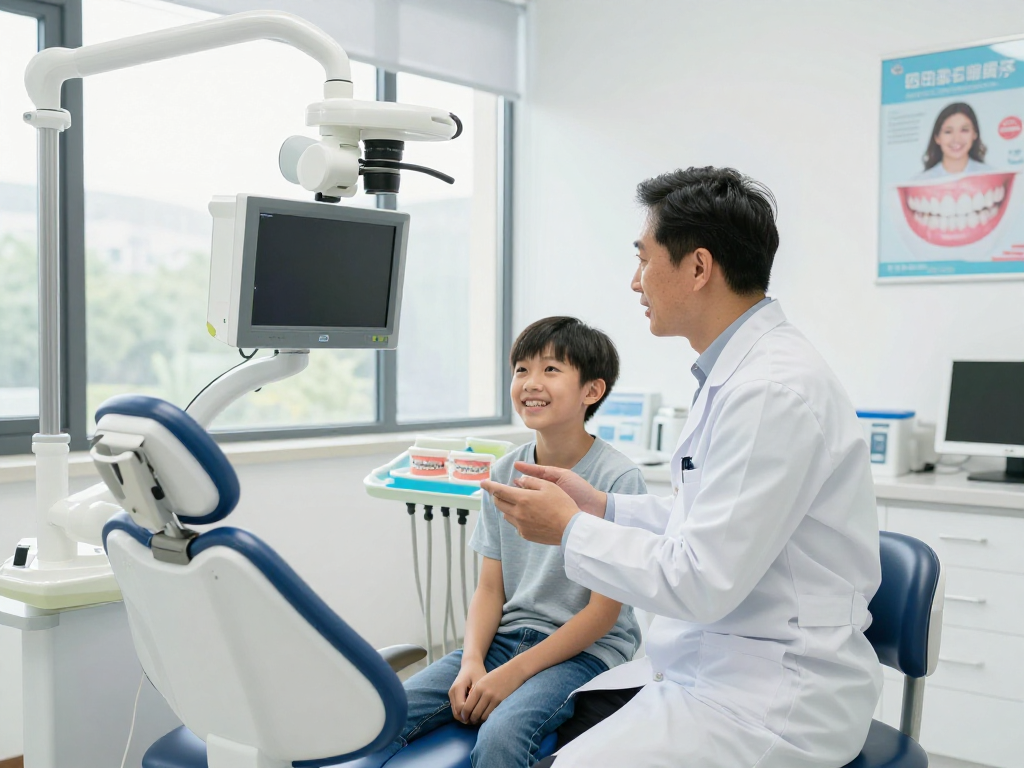
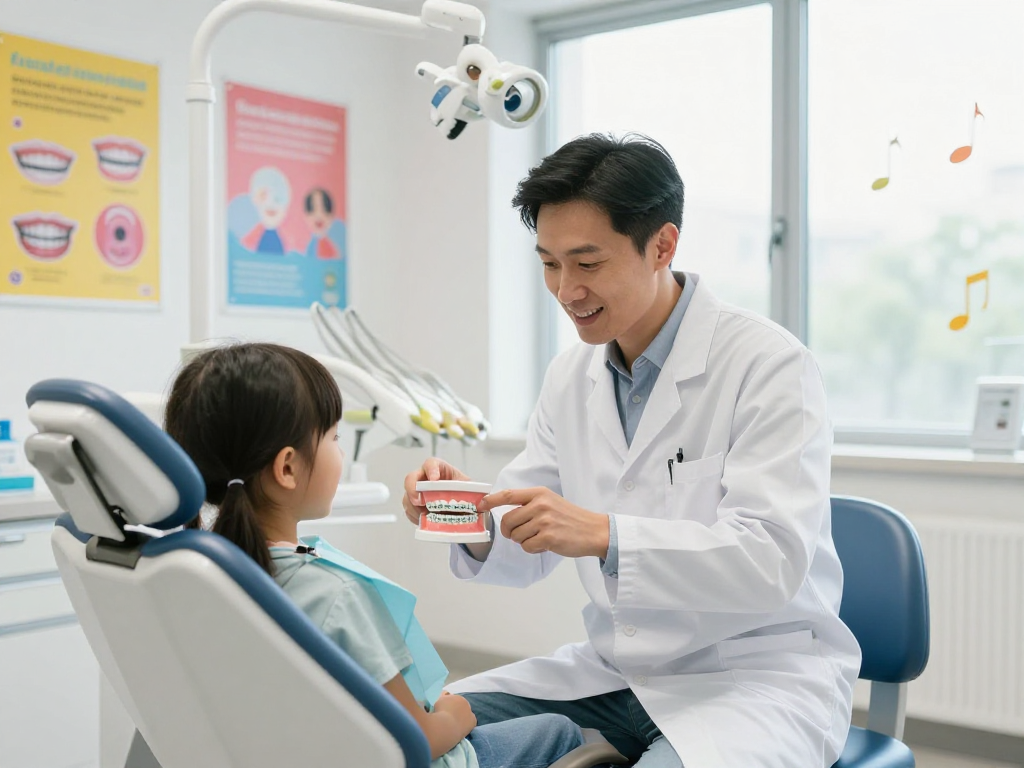
Clear communication is key when discussing treatment options with patients. Orthodontists should take the time to explain the different types of treatments available, such as traditional braces, ceramic braces, and clear aligners. Providing visual aids, such as before-and-after photos and 3D treatment simulations, can help patients understand the potential outcomes and choose the best option for their needs.
Building Trust with Young Patients and Their Parents
Building trust is particularly important in pediatric orthodontics. Engaging with young patients in a friendly manner and involving their parents in the decision-making process can foster a positive experience. This can include creating a welcoming environment and using age-appropriate language when explaining procedures.
Addressing Patient Concerns and Pain Points
Many patients have concerns about pain and discomfort associated with orthodontic treatment. It's crucial for practitioners to address these fears proactively. Discussing pain management options, such as over-the-counter pain relievers or the application of orthodontic wax, can help alleviate anxiety and make the process smoother for patients.
Best Practices for Kieferorthopädie Implementation
To ensure successful outcomes, orthodontists must adhere to best practices when implementing Kieferorthopädie solutions within their practices.
Steps to Ensure Compliance with Health Regulations
Health regulations governing dental practices are essential for safeguarding patient health. Orthodontists must stay updated on the latest guidelines, including those related to patient data privacy and treatment protocols. Regular staff training and compliance audits can help maintain adherence.
Integrating Digital Tools for Improved Patient Care
Digital tools, such as patient management software and telemedicine platforms, can enhance patient care and streamline office operations. Utilizing these technologies allows orthodontists to manage appointments efficiently, track treatment progress, and communicate effectively with patients.
Customizing Treatment Plans for Individual Needs
No two patients are alike; thus, customizing treatment plans based on individual needs is vital. Each patient presents unique dental challenges, and a one-size-fits-all approach is ineffective. By assessing the specific requirements of each case, orthodontists can develop tailored plans that optimize outcomes and patient satisfaction.
Future Trends in Kieferorthopädie for 2026 and Beyond
As the field of orthodontics continues to evolve, several trends are emerging that will shape the future of Kieferorthopädie.
Innovative Techniques and Materials in Orthodontics
New materials, such as self-ligating brackets and clear aligners, are gaining popularity for their comfort and effectiveness. Moreover, techniques such as accelerated orthodontics aim to reduce treatment time, appealing to patients who seek quicker results.
The Growing Demand for Aesthetic Orthodontic Treatments
As awareness about aesthetic treatments increases, the demand for discreet orthodontic options is on the rise. Patients are increasingly opting for solutions such as clear aligners that offer the benefits of traditional braces without compromising aesthetics.
Preparing for Changes in Patient Expectations
With advancements in technology and an increasing emphasis on patient experience, expectations will continue to evolve. Orthodontists must adapt to these changes by offering a combination of excellent clinical care with personalized service to keep their practices competitive.
FAQs about Kieferorthopädie
What are the main benefits of Kieferorthopädie?
The primary benefits of Kieferorthopädie include improved oral health, enhanced aesthetic appearance, and increased self-confidence. Properly aligned teeth can also prevent future dental issues and improve overall quality of life.
How long does Kieferorthopädie treatment typically take?
The duration of Kieferorthopädie treatment varies based on individual circumstances. Most treatments may take between 12 to 24 months, depending on the complexity of the case and the chosen treatment modality.
Are there any risks associated with orthodontic treatments?
Like any medical procedure, orthodontic treatment carries some risks, including discomfort, tooth decay due to poor oral hygiene, and, in rare cases, tooth root resorption. Discussing these risks with patients beforehand is essential for informed consent.
How can technology enhance Kieferorthopädie procedures?
Technology enhances Kieferorthopädie procedures through improved diagnostic tools, treatment planning software, and remote monitoring capabilities. This leads to better treatment outcomes and greater patient satisfaction.
What are the cost considerations for Kieferorthopädie?
The cost of orthodontic treatment can vary widely based on the complexity of the case, the type of treatment chosen, and geographic location. Orthodontists should provide detailed estimates and discuss payment options with patients to ensure transparency.